


 EN
EN Print  |
|


An endangered languages documentation program
 Half of the 6,000 to 7,000 languages spoken on earth today are likely to disappear during this century. And the majority of the 3,000 languages that could disappear are oral languages, which means there are no written documents, dictionaries or grammars that would allow us to study and preserve them and to safeguard their memory. As a consequence, when their last speaker dies, we lose those languages and their knowledge forever.
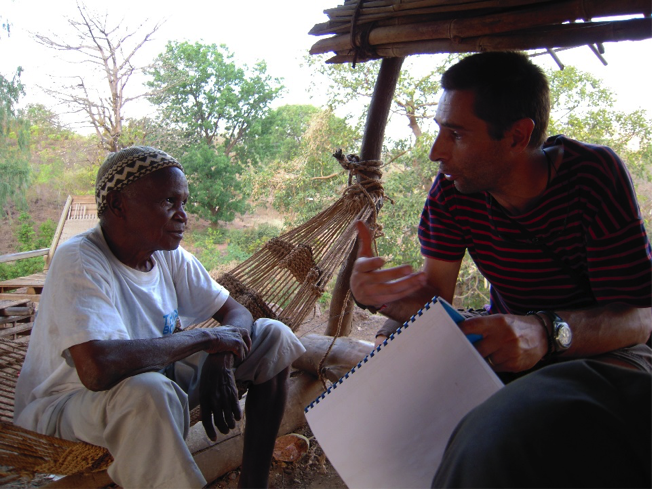
For decades, researchers, linguists and anthropologists have been doing tremendous work and have succeeded in safeguarding many languages that would otherwise have disappeared from human memory. They study, describe and codify these languages, they elaborate dictionnaries, grammars etc. Soroosoro’s aim is to complement their work with professionnal filmed data.
Filming on the field
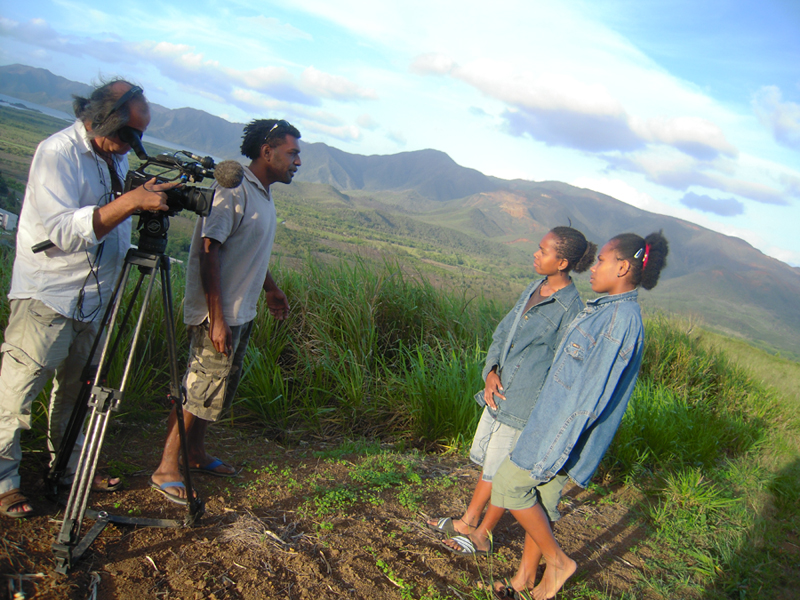
Sorosoro thus accompanies the researchers and sends film crews on the field in order to record in images and in sounds what makes the essence of a language and of a culture, according to a tender specification established with the scientists. Our shooting teams manage to bring back about ten hours of filmed data for each studied language.
Data preservation
At the same time, a preservation plan of all these collected documents is implemented with the INA (National Institute of the radio and television – French library of television archives) in order to safeguard all these data in a sustainable way. This plan consists of different phases:
- Systematic digitalization;
- Storage in an ad hoc place, with a regular process of integral copy in order to avoid the progressive loss of elements;
- Classification and indexing of the documents to provide easy access to the data.
A database with an encyclopedic vocation
The collected images and sounds, associated with the written data that come from the academic research (transcriptions, translations, metadata, etc.), will form a database that will be enriched over the years.
This “encyclopedia” made of images, sounds and texts will be available for the scientists’ research. It will also be, for the present and for the next generations, a real repository of knowledge about the languages and cultures that are threatened with extinction.